
Our clinic team provides immunisations and vaccinations, including childhood, flu, travel, and other vaccines, to help protect whānau against a wide range of infectious diseases.
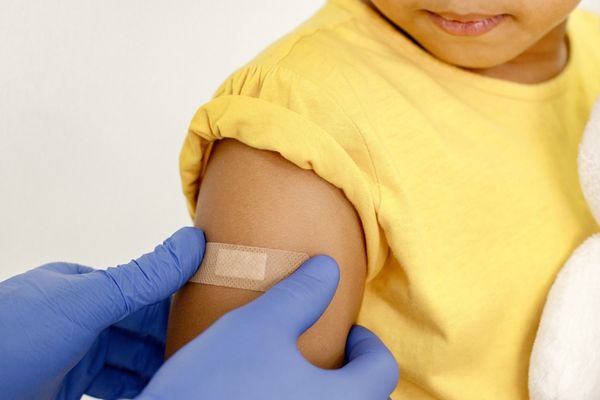
Every pēpi deserves the best start in life. Immunisation is a safe and effective way to build protection early, helping to reduce the risk of serious māuiui, hospitalisation, and long-term health complications.
Vaccines protect pēpi and tamariki from preventable diseases such as whooping cough, measles, pneumonia, and polio. These diseases can spread quickly and may cause lifelong health complications, however they are preventable with safe, free vaccines.
Immunisation begins during hapūtanga and from 6 weeks of age for pēpi, with protection building over time.
Our clinic team provides:
Find out more below about the immunisation schedule, timing, and common pātai, or have a kōrero with our clinic team for support and guidance.
Our clinic team provides influenza vaccinations to help protect whānau from rewharewha (flu) and its complications.
Rewharewha is a viral infection that spreads quickly and can cause serious complications, especially for tamariki, kaumātua, hapū wāhine, and those with long-term conditions.
Flu vaccinations help to:
Some whānau may be eligible for funded (free) flu vaccinations. Find out more below about eligibility, who should get the vaccination and why, along with other common pātai, or have a kōrero with our clinic team for support.
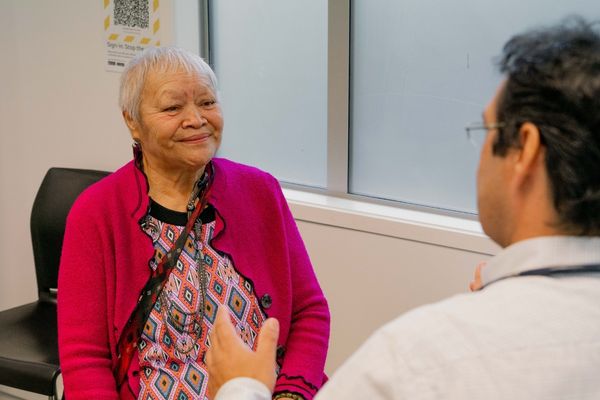
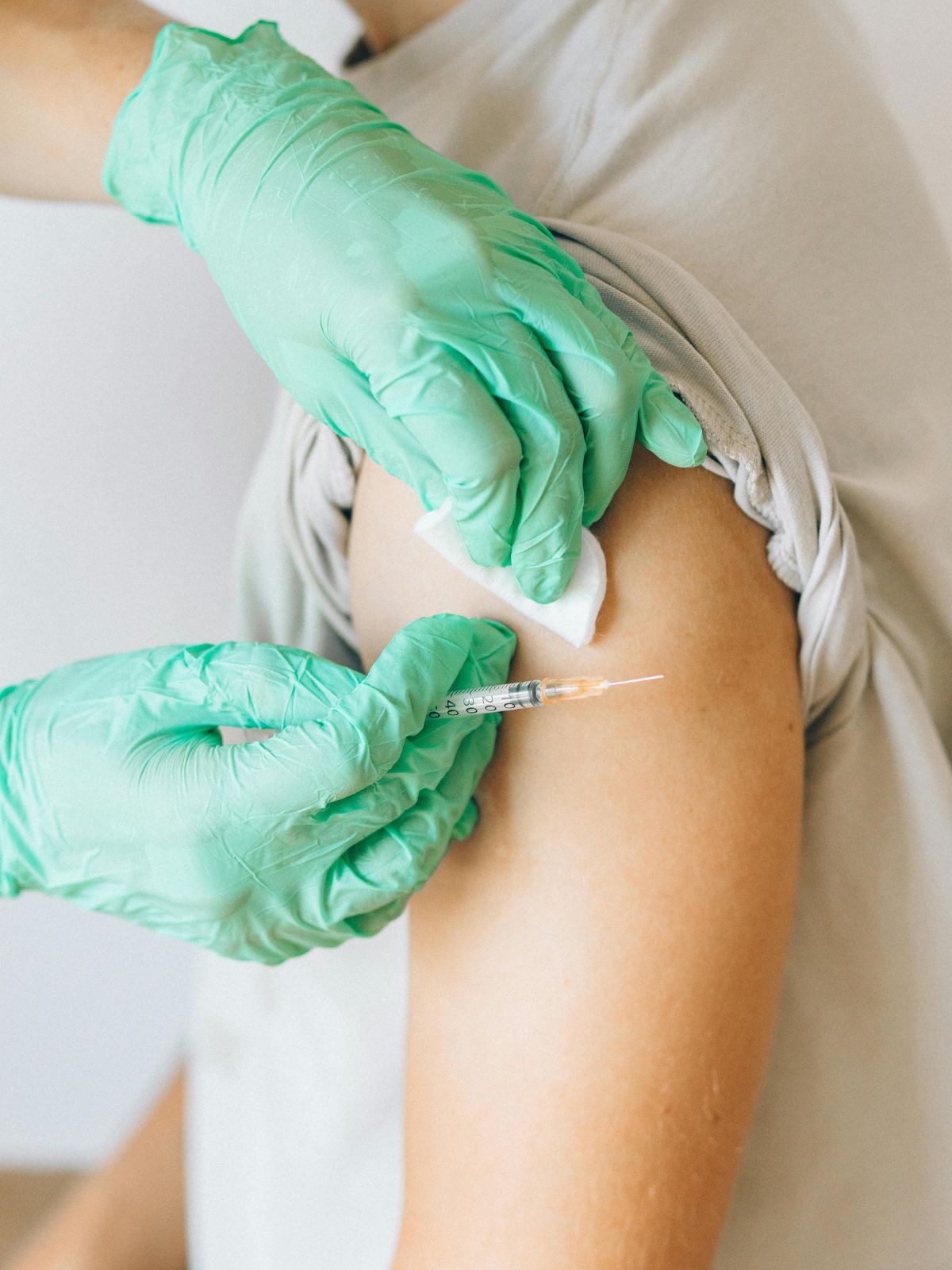
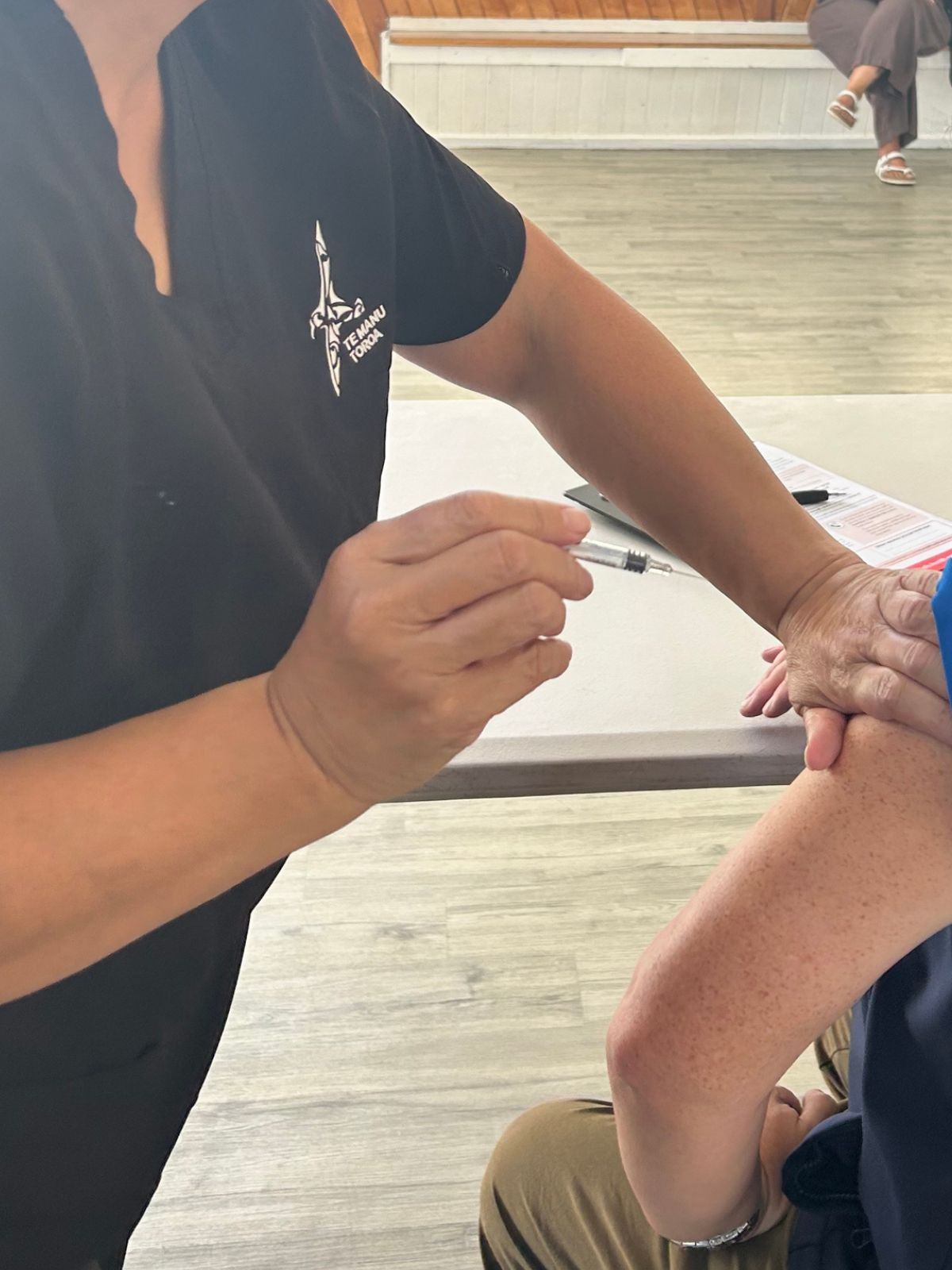
Our clinic team provides travel vaccinations and pre-travel health advice to support safe and healthy overseas travel.
Some destinations require specific vaccinations for entry, while others have recommended vaccines to protect against māuiui present in certain regions.
This service may include:
We recommend booking a consultation well in advance (ideally 2–3 months before departure), as some vaccines require multiple doses or time to arrange.
Our clinic team can help whānau understand what is needed for safe and healthy travel.
Our clinic team also provides a range of other vaccinations for tamariki, rangatahi, and adults to protect against serious, preventable illnesses at different stages of life.
These include:
Vaccination is the best way to protect against shingles. The vaccine is only funded for 12 months after turning 65, and for some whānau with specific health conditions.
Whānau can access these clinical services by making a booking via the MyIndici app, by phone, by email, or by visiting reception.
Some services may only be available for enrolled whānau.
This service is available Monday–Friday, 8.00 am–4.30 pm

0800 114 900

11 Tebbs Lane, Gate Pā, Tauranga
35 Hartford Ave, Pāpāmoa
We know there is a lot of pātai and information out there about childhood immunisations. We’ve put together some common pātai and answers to help whānau make informed decisions.
For more information, also read our blog article on childhood immunisations.
Immunisation helps protect pēpi and tamariki from serious māuiui like whooping cough, measles, pneumonia, and polio.
It builds ongoing protection and helps prevent hospitalisation and long-term health complications.
Vaccines safely teach the immune system how to fight disease. They contain a weakened or inactive part of a germ, which helps the tinana learn how to recognise and respond to it in the future.
This means if pēpi or tamariki are exposed to the real illness later, the immune system can respond quickly and effectively — keeping pēpi and tamariki protected from serious illness.
To ensure full protection, it is important that all recommended vaccine doses are received.
Āe. Vaccines are thoroughly tested and continuously monitored in Aotearoa and worldwide. Only vaccines with a proven safety profile are approved for use in Aotearoa. The benefits of immunisation far outweigh any risks and help protect against serious māuiui.
Kao. The immune systems of pēpi and tamariki are exposed to many germs every day and are well equipped to respond to them, including vaccines.
Modern vaccines contain only a very small number of antigens compared to everyday exposure, yet they provide strong protection against serious māuiui. The immune system can safely respond to these without being “overloaded”.
Immunisation starts at 6 weeks and continues through childhood:
● 6 weeks
● 3 months
● 5 months
● 12 months
● 15 months
● 4 years
● 11 years
Find out more about the National Immunisation Schedule here.
If you’re unsure whether your pēpi/tamariki or any whānau member has received all their immunisations, have a kōrero with us. We can guide you on which vaccines are needed.
Kao. Vaccines do not contain toxic chemicals or harmful cells.
The ingredients used are in very small, safe amounts, and many are already found in our tinana, kai, and te taiao.
For example:
● Formaldehyde: Our tinana naturally produces formaldehyde every day to help build DNA. A pear contains around 60 times more formaldehyde than a vaccine.
● Polysorbate 80: This ingredient is also used in kai, like ice cream.
● Aluminium: Aluminium is the most common metal on Earth. We’re exposed to it daily through kai and water. The tiny amount used in some vaccines helps the immune system work better and has been used safely for over 80 years.
It’s the dose that matters — very small amounts can be safe and useful, even when the name sounds unfamiliar.
Vaccines are carefully tested and continuously monitored to ensure they are safe for pēpi and tamariki.
Kei te pai. It is never too late to catch up on immunisations — it’s easy to catch up.
If any doses are missed or delayed, our clinic team can review the immunisation history and create a catch-up plan to ensure pēpi and tamariki are fully protected as soon as possible.
Have a kōrero with our clinic team for support and guidance.
Meningococcal disease is a serious infection caused by bacteria. It can lead to meningitis (infection of the brain and spinal cord lining) and septicaemia (blood poisoning), and may become life-threatening very quickly.
It spreads through coughing, sneezing, or close contact, including sharing saliva.
The meningococcal vaccine is part of the National Immunisation Schedule for pēpi and tamariki. Some whānau with specific health conditions may also be eligible.
Have a kōrero with our clinic team to check eligibility and protection options.
The MMR vaccine protects against measles, mumps, and rubella — three viral infections that can cause serious māuiui, including brain inflammation, hearing loss, and complications during hapūtanga.
It is part of the National Immunisation Schedule and is usually given in two doses at 12 months and 15 months for tamariki. Catch-up doses are free if these have been missed.
Many adults born between 1969 and 2004 may not have received two doses, or may only have had one, so catch-up vaccination is often needed. For full protection, two doses are recommended at least 4 weeks apart.
Kōrero with our clinic team if you’re unsure about your immunity or vaccination history.
The HPV vaccine protects against human papillomavirus (HPV), a very common virus that spreads through intimate skin-to-skin contact.
Most HPV infections clear on their own, but some can persist and lead to cancers later in life, including cervical, throat, anal, and other genital cancers, as well as genital warts.
HPV immunisation is free for whānau aged 9 to 26 and is part of the New Zealand Immunisation Schedule.
It is recommended for all tamariki, with the best time to be vaccinated around 11–12 years old, before exposure to HPV. Rangatahi who miss the school-based programme can still catch up for free up until their 27th birthday.
We know there can be a lot of pātai around rewharewha (flu) and the flu vaccine. We’ve brought together some common pātai and answers to tautoko whānau with clear, reliable information.
Kao. The flu vaccine cannot cause rewharewha (flu) as it contains an inactivated (non-live) virus.
Some whānau may feel mild side effects like a sore arm, tiredness, or a slight fever for a day or two. This is a normal response as the tinana builds protection — not the flu.
It takes around 1–2 weeks for full protection to develop. If māuiui occurs before then, it is likely because immunity is still building, not because of the vaccine.
The flu vaccine is free for eligible whānau, including:
● Hapū wāhine
● Whānau aged 65 and over
● Whānau with long-term health conditions (e.g. diabetes, asthma, heart disease, kidney disease)
● Tamariki under 5 with a history of severe or ongoing respiratory illness
● Whānau with serious mental health or addiction conditions
Full eligibility criteria can be found here. If unsure about eligibility, have a kōrero with our clinic team.
Some whānau are at higher risk of serious māuiui from rewharewha (flu).
This includes:
● Hapū wāhine: Changes in the immune system, lungs, and heart during hapūtanga increase vulnerability. Rewharewha (flu) can increase the risk of complications for both māmā and pēpi, including premature birth and low birthweight, and other serious outcomes.
● Kaumātua (65+): Natural decline in immune function with age means rewharewha can cause more severe illness, slower recovery, and higher risk of complications such as pneumonia or heart issues.
● Whānau with long-term health conditions: Conditions such as diabetes, asthma, heart, lung, or kidney disease can be worsened by rewharewha, increasing the risk of serious māuiui and hospitalisation.
● Tamariki under 5: More likely to become very unwell from rewharewha, with higher risk of chest infections, fever-related complications, and hospitalisation.
Rewharewha (flu) viruses change every year, so the vaccine is updated each season to protect against the most common strains in Aotearoa.
Protection from the flu vaccine also decreases over time, so getting vaccinated each year helps keep immunity strong.
Annual vaccination helps reduce the risk of serious māuiui, hospitalisation, and spreading flu to others — including those most vulnerable in our hapori.