Childhood Immunisation
Learn about childhood immunisations, vaccine safety, and common pātai from whānau. Find out how immunisation helps protect pēpi and tamariki

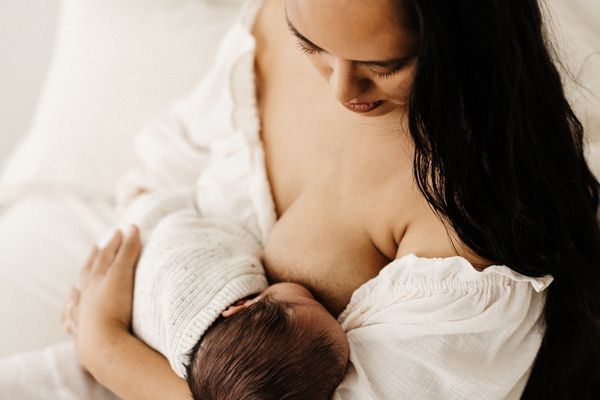
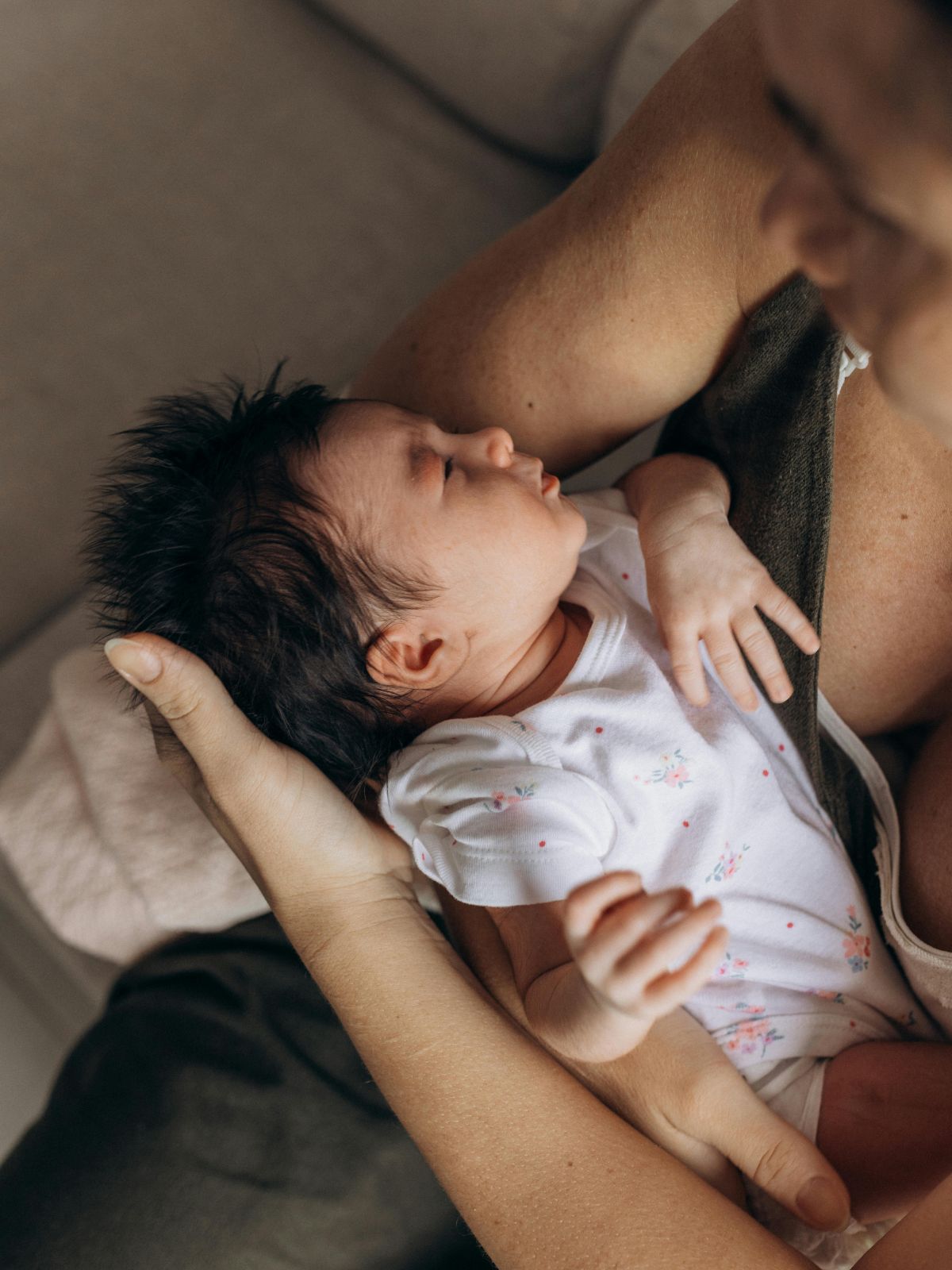
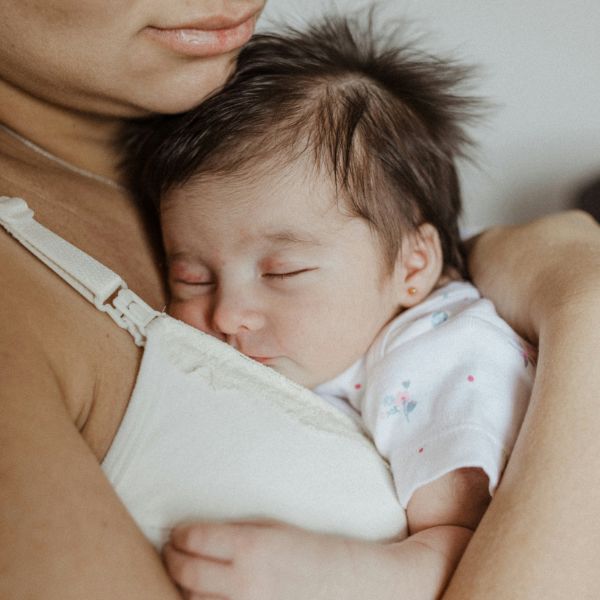
Breastfeeding is so much more than just feeding your pēpi. It’s a special connection formed between you and the tinana, wairua, and whakapapa of your pēpi (bodies, emotions, and genetic heritage).
Breastfeeding isn’t always straightforward. Whether you’re latching, expressing, or mix feeding, your journey is uniquely yours, and that’s perfectly okay. It can be full of joyful moments, but also tired eyes, tender tinana, and questions as you and your pēpi learn together.
There’s no “normal” way to breastfeed — it’s a process of learning and adapting, with aroha and patience.
Breastfeeding can come with many pātai — “Am I doing this right?” “Is my pēpi getting enough?” “Why does this hurt?”
That’s where our Ūkaipō (Lactation Consultant) comes in. Tracey has over 20 years of experience walking alongside māmā, pēpi, and whānau. She’s a trained expert (certified IBCLC) who knows all the science around breastfeeding, pumping, and milk production.
She’s here to awhi you, your pēpi, and your whānau through your unique breastfeeding journey.
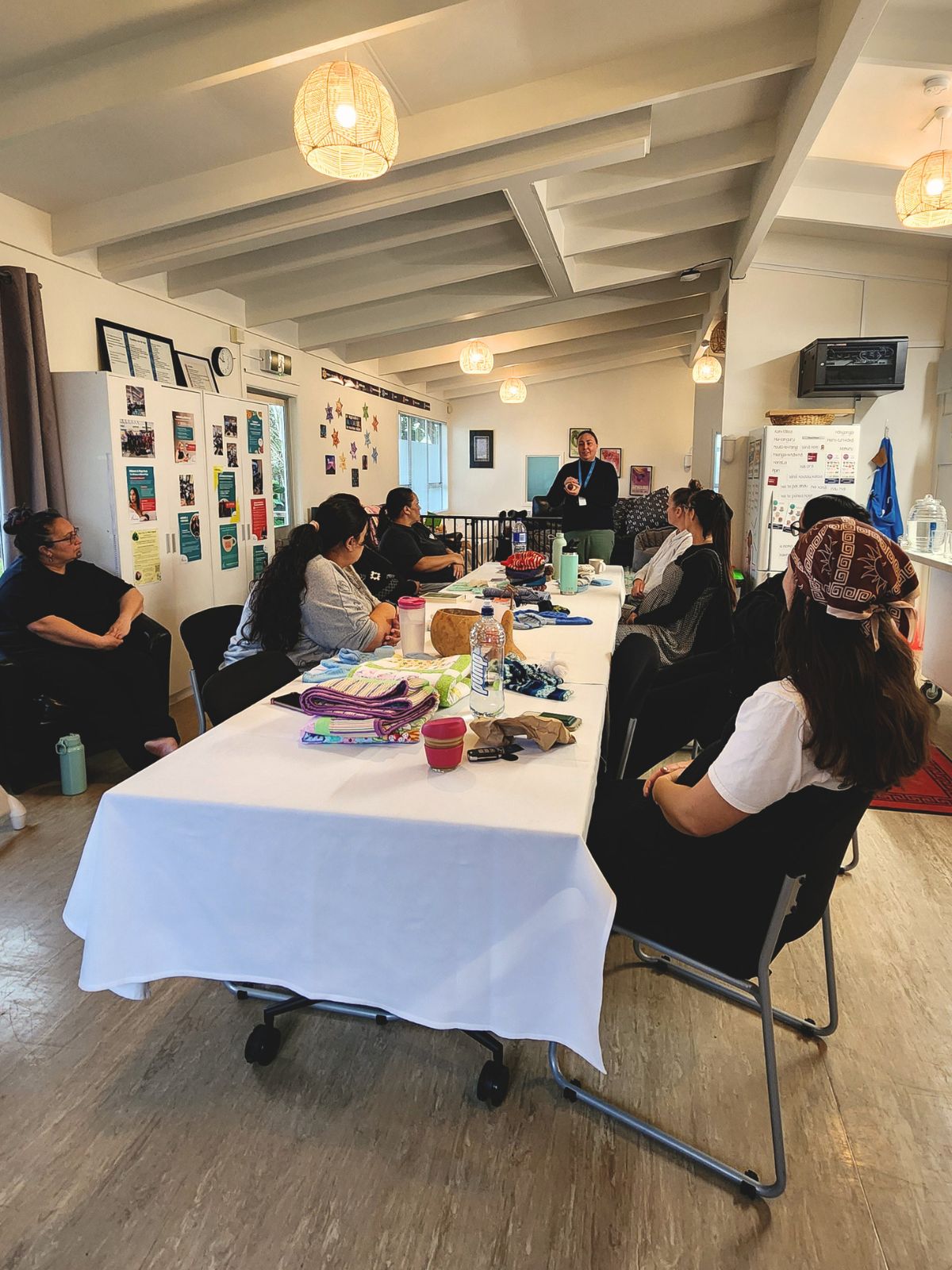
Consults usually take about an hour and can happen at your whare, at wānanga, or at our Māmā & Pēpi Hub.
Tracey will:
● Listen to your kōrero
● Support your moemoeā
● Share mātauranga and science about breastfeeding
● Work with you to create a plan that fits your tinana, your pēpi, your whānau, and your goals
Reach out to Tracey at mama.pepihub@temanutoroa.org.nz or call 0800 114 900.
The Power of Your Unique Body
Your ū (nipples) and ūpoko (breasts) come in all shapes and sizes — and all are beautiful. The areola — the circle around the nipple — has tiny bumps that release oils to protect your skin, and a unique scent to guide your pēpi.
Every latch of pēpi is different, just as every body of māmā is unique. What matters is that feeding feels right for you and your pēpi — not how it looks.
What’s Normal on Your Breastfeeding Journey?
“Normal” is just a setting on the washing machine — breastfeeding doesn’t come with one-size-fits-all rules. Your journey is unique and special, shaped by your tinana, your pēpi, and your whānau.
Surround yourself with whānau, hoa, and kaiāwhina who offer aroha, manaaki, and tautoko as you navigate your own breastfeeding journey. Remember, every breast, every nipple, and every feeding experience is beautiful and valid.
Manaaki Ū — Gentle Care Tips for Your Breastfeeding Journey
Your ū (nipples) are made to breastfeed — but like pēpi, they’re learning too. Your nipples are clever. They know how to take care of themselves, especially with the help of your own waiū (breastmilk). The skin has its own balance of bacteria, your milk has anti-infection properties, and those tiny bumps on the areola? They release oils to keep everything soft and protected.
● If they’re dry, keep them moist — but don’t soak them in waiū or wai (breastmilk or water)
● Wash with warm water and a little soap in the shower
● Use a simple balm with few ingredients — some creams can irritate
● Use a soft breast pad to protect nipples and stop rubbing on clothes
● Avoid anything tight that makes nipples swollen, creates a ring around the nipple, or changes their colour — this can slow healing
● Some nipple wounds need special dressings, but with good support, many māmā can keep breastfeeding while healing
Download the complete brochure for more gentle tohutohu and support throughout your breastfeeding journey.
Breastfeeding comes with many different feelings as your tinana learns to feed your pēpi. Here’s what you might notice and what it can mean.
This feeling often happens when your waiū (breastmilk) first comes in or after a longer gap between feeds.
How your breasts look and feel is just one part of the picture when it comes to milk production.
Large breasts don’t necessarily have a higher capacity to make more milk than smaller breasts. Your body is unique, and you’ll learn how your breasts fill and empty over time. Your breasts are made up not only of milk but also glands, skin, and fat. After about six weeks, breasts often settle into a more comfortable, “normal” feeling.
Remember, your breasts are never truly empty — your body is always working to make more waiū. In fact, the softer or emptier they feel, the faster your body is refilling them. The best sign that your pēpi is getting enough milk is hearing their happy, contented feeding sounds. Whatever goes in has to come out so nappy volumes are also a really good indicator of milk intake.
When your milk “lets down”, tiny muscles squeeze milk through the ducts. This can trigger nerves and hormones, causing different sensations. Some māmā feel sharp shooting pains, others get itchy nipples, and some may even experience nausea or mood changes.
All these feelings are normal and part of your body’s amazing response to feeding.
These signs can indicate inflammation, which doesn’t always mean infection but may need attention.
If you’re worried or experiencing pain, seek support early to keep you and your pēpi well.
Have you noticed your breasts feel softer at night, and that feeds from your pēpi are smaller but more frequent? This is part of a natural rhythm. As the day winds down, the brain of your pēpi is busy processing everything they’ve learned (much like most of us coming home from a busy day).
Evening milk is richer in fat, helping your pēpi feel full and sleep longer with easier digestion. Plus, your night milk contains melatonin, a hormone that helps with restful sleep. This melatonin, along with breastfeeding hormones, helps both you and your pēpi get better, more restful nights.

Learn about childhood immunisations, vaccine safety, and common pātai from whānau. Find out how immunisation helps protect pēpi and tamariki


Our clinics will be closed on selected public holidays. Check closure dates and available healthcare support during these times.
Free Kirihimete resources, recipes, activities, and wellbeing tips to support whānau hauora, connection, and festive fun this holiday season.