
Our registered nēhi provides free education, support, and action plans to help whānau manage respiratory conditions like asthma and COPD.

Free for eligible whānau

Tamariki, rangatahi, and adults living with respiratory conditions

Western Bay of Plenty

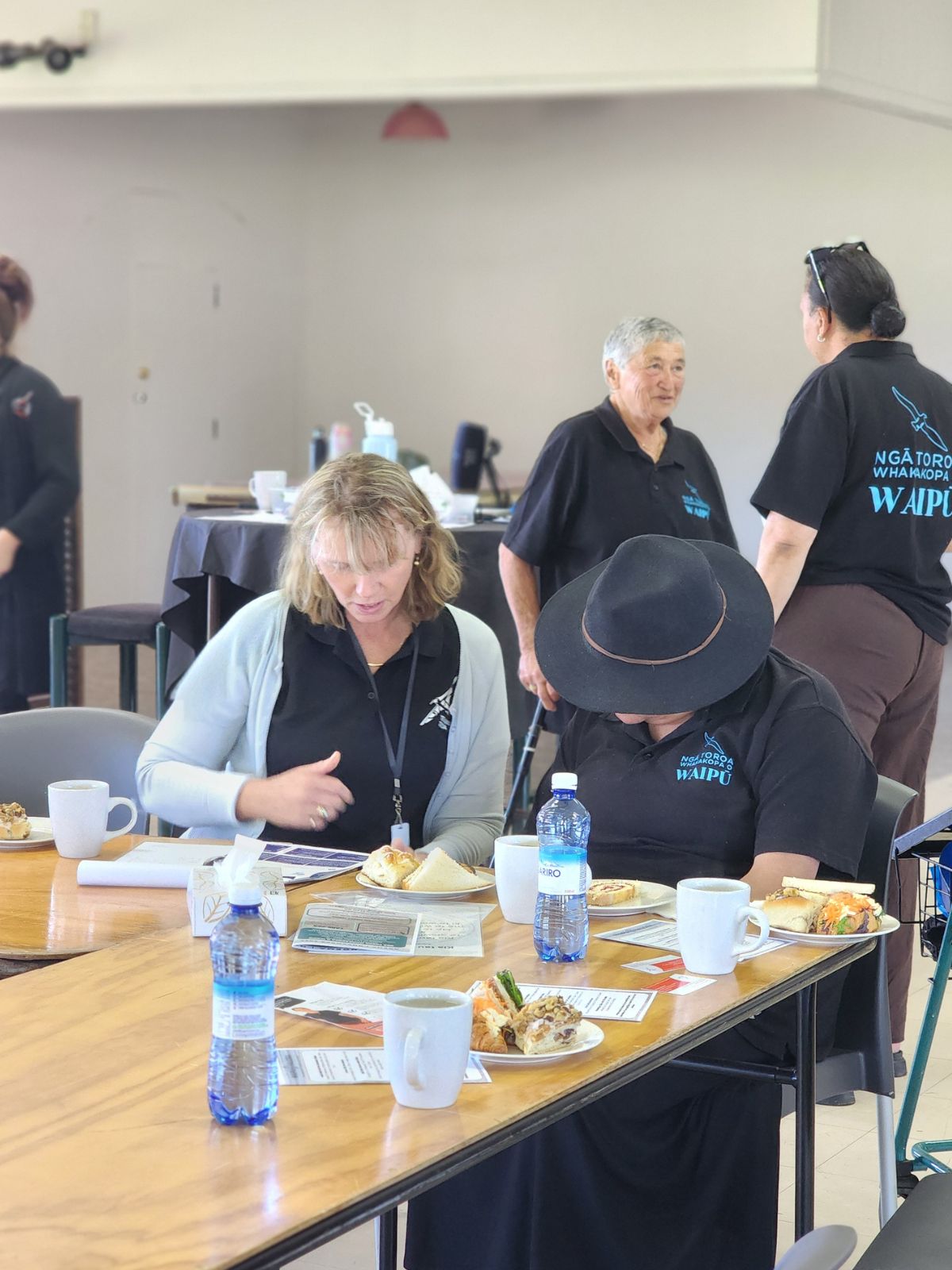
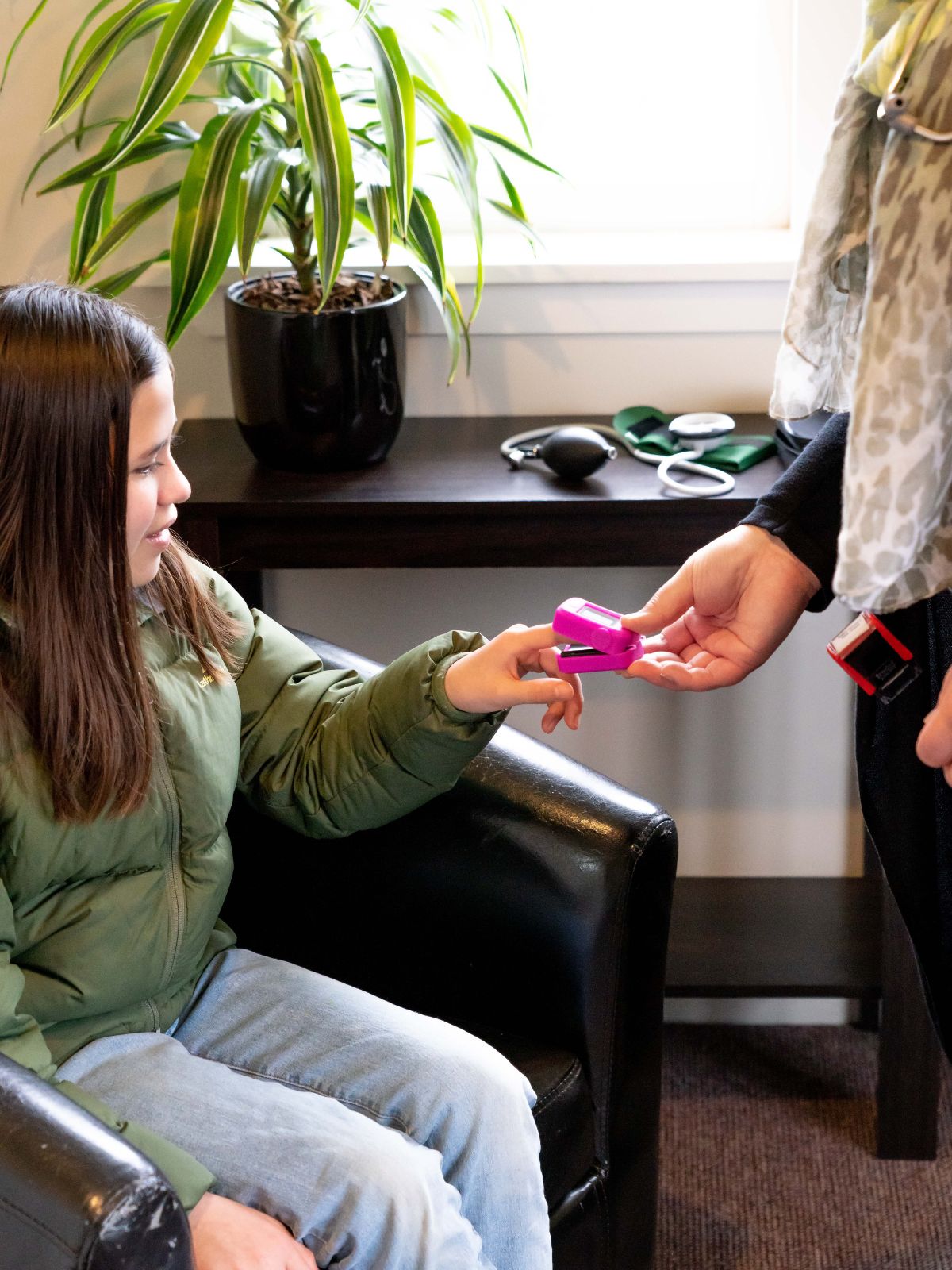
Our Nēhi Mātanga Hā (Respiratory Nurse) works with tamariki, rangatahi, adults, and their whānau, providing practical care, mātauranga, and personalised guidance to manage asthma, COPD, and other breathing conditions.
We work alongside whānau to support early intervention, ongoing management, and better respiratory health outcomes.
Support includes:
Visits can be arranged at your whare, kura, mahi, one of our GP clinics—wherever works best for you, whether for short-term guidance or ongoing support.
Whānau can access this service through referrals from GPs, community organisations, hospital services, other health professionals, whānau members, or by referring themselves.
This service is available Monday–Friday, 8.00 am–4.30 pm

0800 114 900

11 Tebbs Lane, Gate Pā, Tauranga
35 Hartford Ave, Pāpāmoa
Get answers to the pātai whānau most often have about respiratory conditions, including asthma and COPD.
Asthma is a long-term condition that affects the airways in our lungs. When someone has asthma, their airways become sensitive and can react to triggers such as smoke or vape, dust, exercise, pollen, cold air, viruses, and some medications. These triggers make the airways tighten, swell, and produce extra mucus, which can make it harder to breathe.
Asthma is influenced by both your whakapapa and the environment, and it’s often linked to conditions like hay fever and eczema. It can develop at any age, from infancy to adulthood. Knowing your triggers and learning how to manage them is an important part of living well with asthma and supporting your hauora.
Asthma can affect anyone, at any age, and may run in your whānau (whakapapa). Common symptoms include:
● Wheezing
● Shortness of breath
● Chest tightness
● Coughing
Symptoms may come on suddenly or gradually, and can be triggered by exercise, allergies, infections, cold air, or smoke.
If you notice these signs, it’s important to see your tākuta for a check-up. A proper diagnosis will help you manage asthma, prevent flare-ups, and support your hauora.
Asthma triggers are things that can make your airways narrow and cause symptoms like wheezing, coughing, or shortness of breath.
They can be different for everyone, but common triggers include:
● Respiratory infections like colds or flu
● Smoke, vaping, or strong fumes
● Allergens like dust mites, pollen, mould, or pets
● Exercise, especially in cold or dry air
● Changes in weather or temperature
● Stress, strong emotions, or anxiety
● Certain medications
Understanding your triggers and learning how to avoid or manage them is essential for keeping your asthma under control and supporting your hauora. Our Nēhi Mātanga Hā can provide guidance and personalised action plans to help you and your whānau manage asthma.
Chronic Obstructive Pulmonary Disease (COPD) is a long-term lung condition that makes it harder to breathe. It includes chronic bronchitis, emphysema, and sometimes long-standing asthma.
COPD causes:
● Coughing
● Increased mucus
● Breathlessness
● Chest infections
While the lung damage is permanent, further harm can be prevented, and treatments can help improve breathing, quality of life, and overall hauora.
COPD is usually caused by long-term damage to the lungs from both environmental and whakapapa (genetic factors).
Common causes include:
● Smoking: The main cause, including long-term exposure to second-hand smoke.
● Air pollution: Long-term exposure at mahi or home.
● Long-standing asthma: Poorly controlled asthma can increase risk.
● Whakapapa: Rare conditions like alpha-1 antitrypsin deficiency (AATD).
● Early life events: Premature birth, poor growth in utero, or frequent childhood respiratory infections.
COPD is a long-term condition that can’t be reversed, but with the right tautoko you can manage your symptoms and live well.
● Follow a personalised COPD Action Plan
● Use breathing techniques
● Move your tinana in ways you enjoy
● Eat nourishing kai and maintain a healthy body weight
● Keep your whare warm, dry, and well-ventilated to reduce flare-ups
● Avoid smoking and vaping
● Manage stress and lean on whānau and friends for tautoko
● Attend regular check-ups and keep vaccinations up to date
Connect with our nēhi for support and guidance on living well with COPD.