
Our registered nēhi provides whānau-centred education, support, and personalised care to help manage Type 1 and Type 2 Diabetes.

Free for eligible whānau

Rangatahi and adults living with Type 1 or Type 2 Diabetes

Western Bay of Plenty
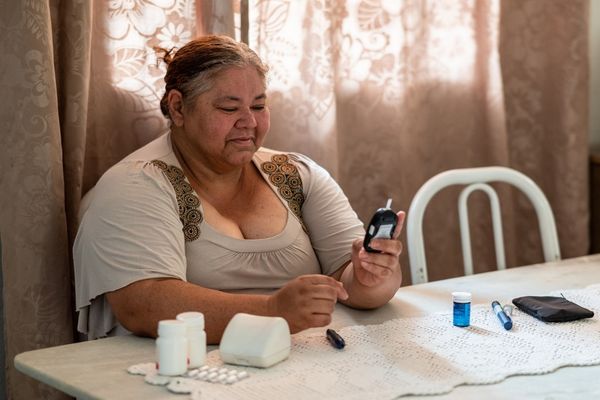

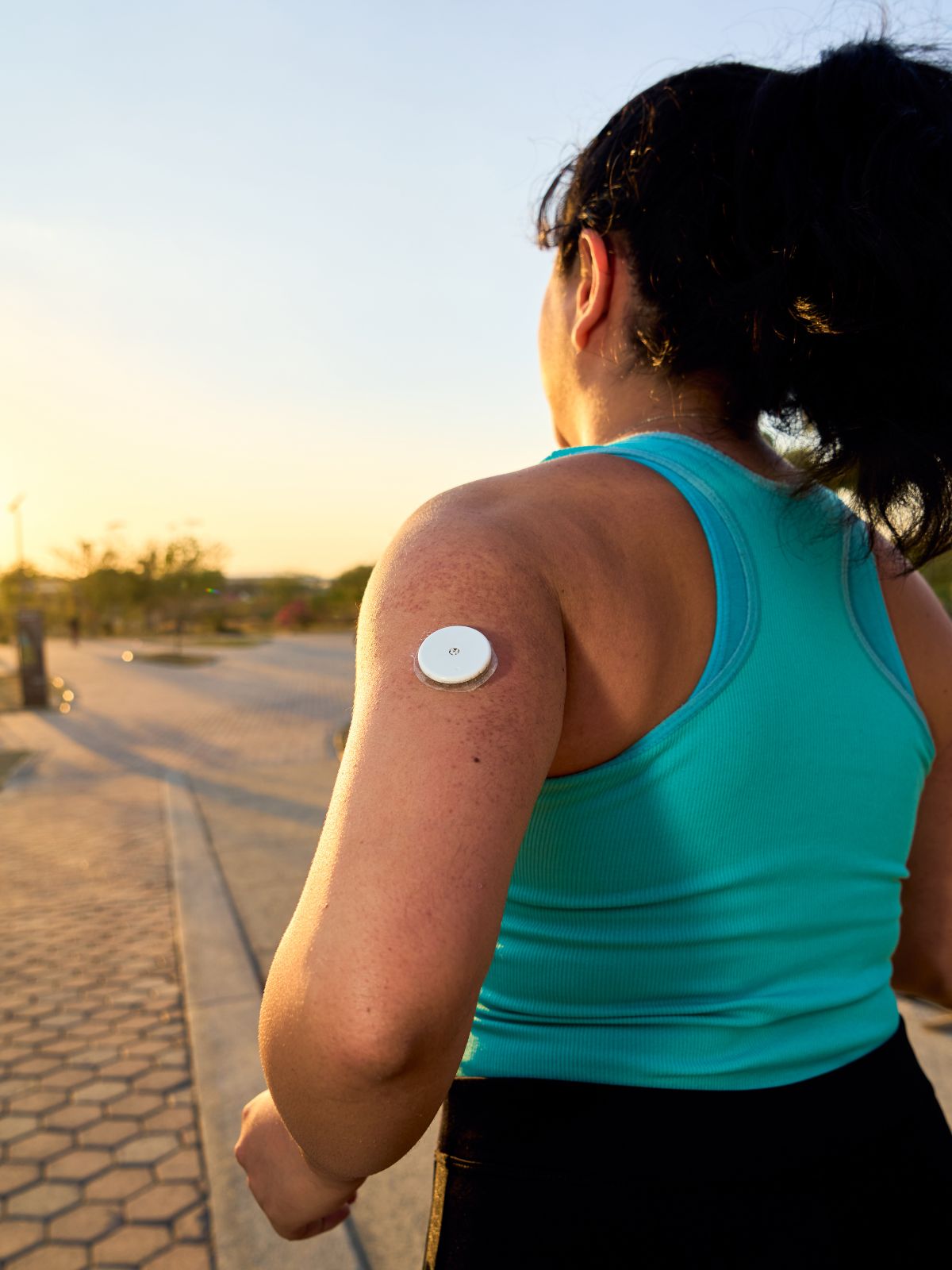
Our Diabetes Specialist Nēhi works alongside rangatahi and adults, and their whānau, to provide education, support, and personalised care for managing Type 1 and Type 2 Diabetes.
The service works collaboratively with whānau, primary care teams, community agencies, and hospital services to create care plans and provide ongoing support.
Support includes:
Visits can take place at your whare, mahi, hospital, one of our GP clinics, or any location that works best for you, for short-term or ongoing support.
Whānau can access this service through referrals from GPs, community organisations, hospital services, other health professionals, whānau members, or by referring themselves.
This service is available Monday–Friday, 8.00 am–4.30 pm
We’ve put together answers to the pātai whānau most often have about diabetes.
Mate Huka (Diabetes) is a chronic condition that happens when the pancreas cannot make enough insulin, or the body cannot use the insulin it produces properly. Insulin is a hormone that helps glucose from the kai we eat enter the body’s cells to provide energy.
There are three main types of diabetes:
● Type 1 Diabetes: Caused by an auto-immune reaction where the body attacks the insulin-producing cells. Whānau with Type 1 Diabetes produce very little or no insulin and need daily insulin injections. It usually develops in tamariki or young adults, but can affect whānau of any age.
● Type 2 Diabetes: The most common type, making up at least 90% of cases. The body either doesn’t produce enough insulin or cannot use it properly. It can remain undetected for years and is often found through routine tests or when complications appear. Some whānau can manage it with diet and exercise, while others may need medication or insulin over time.
● Gestational Diabetes (GDM): Happens during hapūtanga when blood sugar levels are high. It usually goes away after birth, but increases the chance of developing Type 2 Diabetes within 10 years.
Paying attention to changes in energy, mood, and hauora can help you notice if something isn’t right.
For Type 1 Diabetes, which often starts in tamariki or rangatahi, signs can include:
● Being very thirsty
● Needing the toilet often
● Losing weight
● Feeling very tired
● Changes in mood
For Type 2 Diabetes, which can appear in rangatahi and adults, look out for:
● Feeling tired
● Being thirsty
● Going to the toilet often
● Frequent infections or ones that won’t heal
● Blurred vision
● Feeling hungry more often than usual
Noticing these signs early and kōrero with your tākuta or nēhi can help your whānau take steps to manage the condition and maintain wellbeing.
Diabetes can be diagnosed through blood tests, which can be organised through your tākuta. If you feel unwell or notice any concerning symptoms, seek medical help immediately.
It depends on the type of diabetes:
● Type 1 Diabetes cannot be prevented. It is an autoimmune condition, which means the body attacks the cells that make insulin. However, whānau with Type 1 Diabetes can manage their condition and live long, healthy, and active lives with rongoā, healthy food choices, and physical activity.
● Type 2 diabetes can often be prevented or delayed. You can lower your risk by:
– Eating nutritious kai
– Staying physically active
– Maintaining a healthy weight
– Managing blood pressure and cholesterol
If you think you might have diabetes or are at higher risk, have a kōrero with your tākuta.
You can look after your hauora and reduce the risk of complications by:
● Keeping your blood glucose levels within your target range
● Attending regular check-ups with your tākuta and diabetes team
● Managing your blood pressure and cholesterol
● Eating healthy, balanced kai and drinking plenty of water
● Staying active with regular physical activity
● Taking your rongoā or insulin as prescribed
● Talking to your healthcare team about any concerns or pātai
● Getting support from your whānau and learning more about your mate huka (diabetes)
Our nēhi can support you and your whānau with managing your mate huka and offer practical guidance to help you stay well.